Attachment Styles Explained: How Your Past Shapes Your Relationships
🤍 What Are Attachment Styles?
Have you ever wondered why two people can experience the exact same situation but react completely differently?
One person feels secure when their partner doesn't text back for a few hours. Another immediately worries something is wrong. Someone else may pull away altogether, preferring distance over vulnerability.
These patterns are often explained through attachment theory.
Developed by psychiatrist John Bowlby and expanded through the work of psychologist Mary Ainsworth, attachment theory suggests that our earliest relationships help shape how we experience connection, trust, and emotional safety as adults. While these patterns often begin in childhood, they can continue to influence friendships, family relationships, and romantic partnerships throughout life.
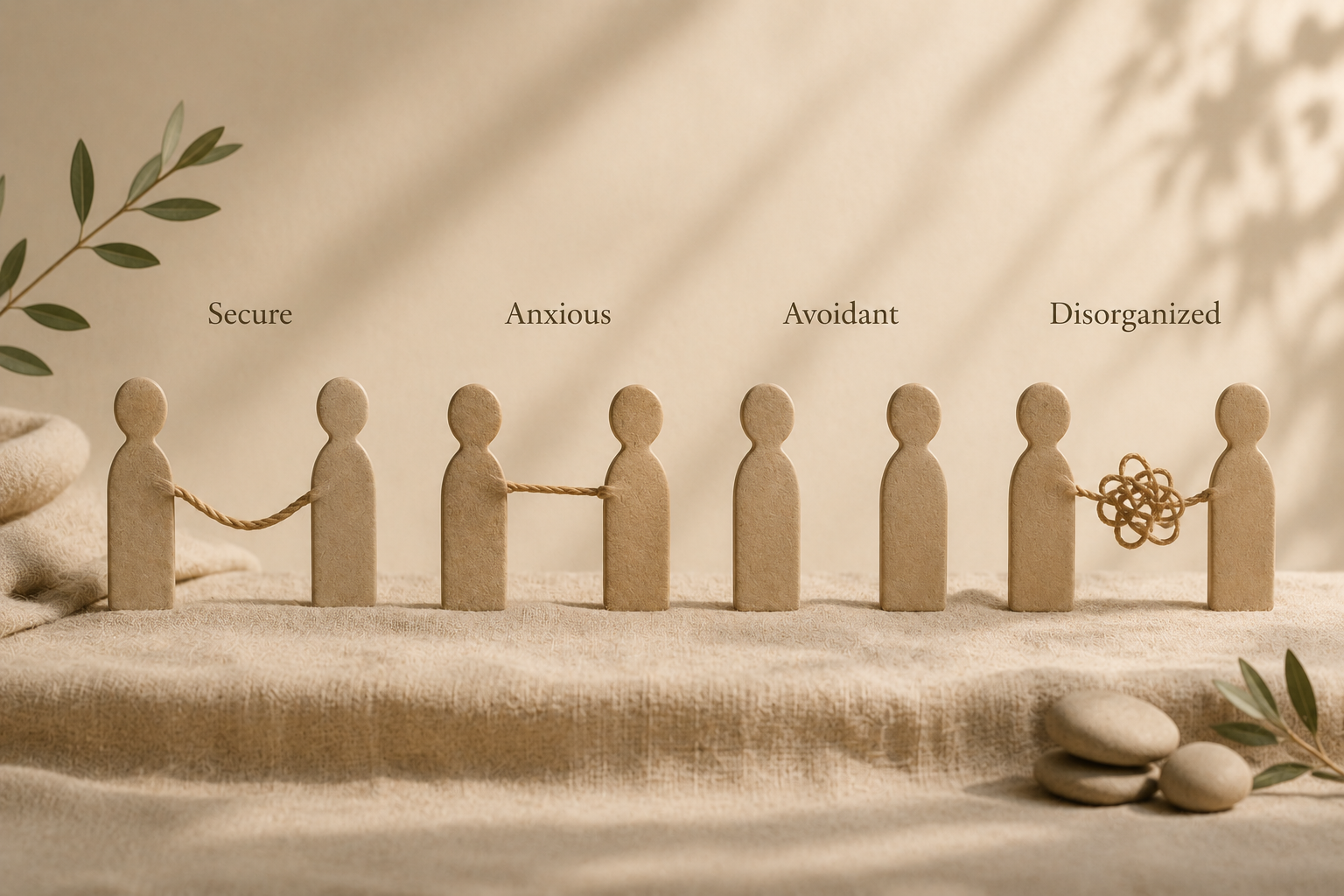
Researchers generally describe four attachment styles:
💚 Secure: Comfortable with both closeness and independence.
💛 Anxious: Seeks connection but worries about rejection or abandonment.
💙 Avoidant: Values independence and may struggle with emotional closeness.
💜 Disorganized (Fearful-Avoidant): Wants connection while also fearing it, creating mixed and often confusing relationship patterns.
It's important to remember that attachment styles are not personality types or life sentences. They simply describe learned patterns. With self-awareness, healthy relationships, and intentional practice, many people become more secure over time.
✨ Our Perspective at PRISM
Understanding your attachment style isn't about putting yourself in a box. It's about recognizing patterns so you can respond more intentionally instead of reacting automatically.

🌿Continue Your Journey
If you're looking to become more intentional in every area of your life, explore the PRISM Wellness Wheel—a simple framework designed to help you evaluate the habits, environments, and relationships shaping your well-being.
👉🏻 Explore the Wellness Wheel: [Link]
References
John Bowlby (1969/1982). Attachment and Loss.
Mary D. S. Ainsworth et al. (1978). Patterns of Attachment.
Fraley, R. C., & Roisman, G. I. (2019). Current Opinion in Psychology.